Overview (history, characteristics, attractions)
Tokyo Metropolitan Government Building (commonly known as Tocho) is a large government building housing Tokyo's administrative agencies and a symbol of Shinjuku Subcenter. Designed by Kenzo Tange, a master of modern architecture, it was completed in the early 1990s. Its two main towers (Main Building No. 1 and Main Building No. 2), each approximately 243 meters high, create a futuristic urban landscape. The building's highlight is undoubtedly the free observation decks (North Observation Deck and South Observation Deck). Enjoy panoramic views of the city's skyscrapers, Shinjuku Subcenter, Tokyo Tower, Tokyo Skytree, and even Mount Fuji on clear days, with views that change depending on the time of day or night. The building also houses a tourist information center, various exhibitions, and event spaces, making it popular with architecture enthusiasts and first-time visitors to Tokyo.
Highlights
– North and South Observation Decks (near the 45th floor, free)
– 360-degree panoramic views. Enjoy beautiful views of Mount Fuji and the Tanzawa area during the day, and the city's nightscape in the evening and at night.
– There are telescopes, information panels, and benches, and photography is also permitted (please check the facilities and rules).
– Architectural tour
– The exterior and interior spaces reflect the design philosophy of Kenzo Tange. The beauty of the huge structure seen up close is a sight to behold.
– Tourist information and exhibitions
– There are often tourist information centers and temporary exhibitions on the first floor of government buildings, and foreign language information may also be available.
– Surrounding landscape
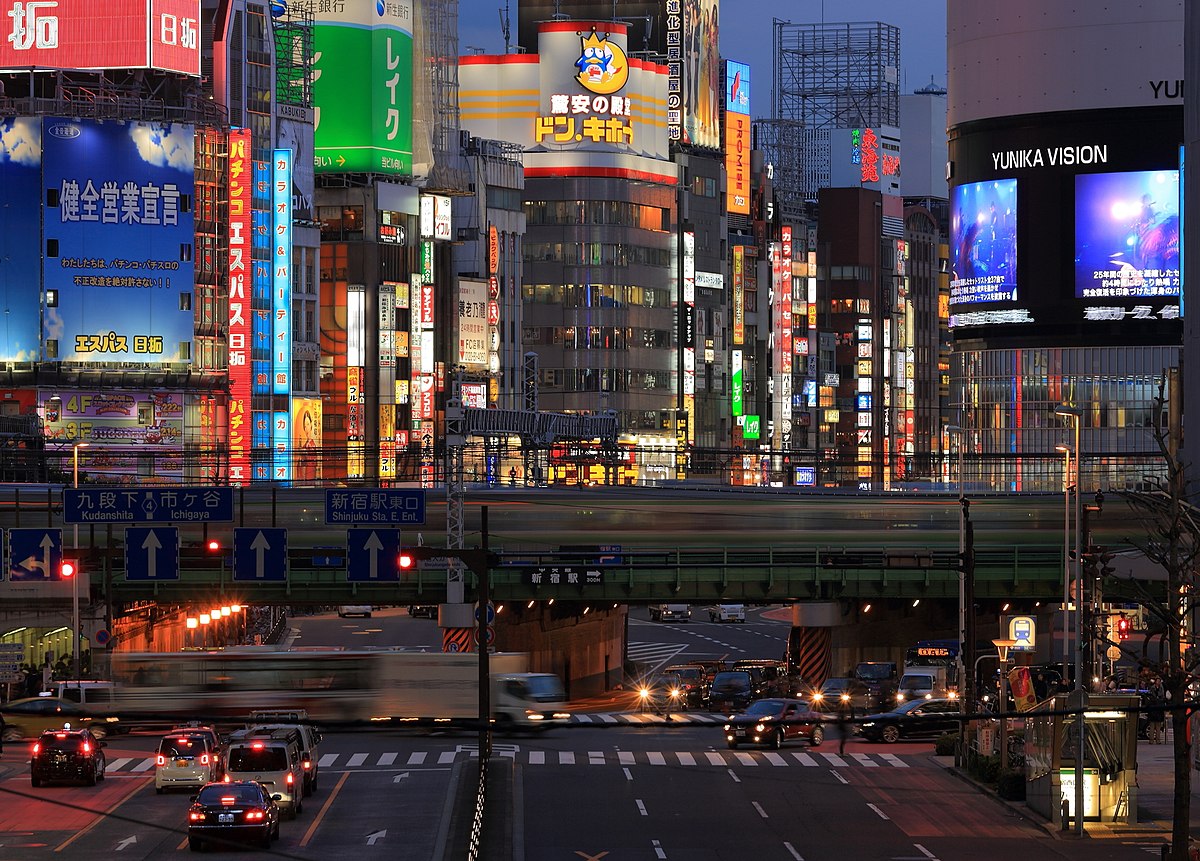
– You can get a close-up view of the skyscrapers of Shinjuku Subcenter, making it a popular photo spot.
Access (nearest station, transportation, etc.)
- train
Nearest station: Toei Oedo Line, Tochomae Station, Exit A4/A5 (almost directly connected underground).
- Approximately 5 minutes walk from Nishi-Shinjuku Station on the Tokyo Metro Marunouchi Line.
- 10-15 minute walk from the West Exit or Nishi-Shinjuku direction of Shinjuku Station on the JR, Odakyu, and Keio lines (travel time varies depending on the exit).
- Bus
– There are bus stops around the west exit of Shinjuku Station and the Tokyo Metropolitan Government Building. Travel time may vary depending on traffic conditions.
– car
– As the area is in the city center, parking is limited and it can get crowded. We recommend using public transportation.
– Barrier-free
- Facilities include elevators and wheelchair-accessible toilets. Please see the official website for details.
Estimated stay (estimated time required)
– Observation deck only: 30 to 60 minutes (depending on photography and crowding).
– Use of the observation deck + exhibitions and information center in the government building: 1 to 1.5 hours.
– If you combine it with sightseeing in the surrounding area (Shinjuku Central Park, shopping, etc.), it will take half a day to a full day.
Nearby spots
– Shinjuku Central Park (a short walk away) — A green space overlooking the Tokyo Metropolitan Government Building.
– Shinjuku Gyoen (walk or bus/perfect for a stroll) — Seasonal flowers and garden strolls.
– Tokyo Opera City (about 10 minutes walk) — Concerts and art museums.
– Skyscrapers (Shinjuku Southern Terrace, Hyatt, etc.) - Shopping and gourmet food.
– Kabukicho, Golden Gai, Omoide Yokocho (walking distance or a short taxi ride) — Nighttime dining and entertainment.
Things to be aware of (crowds, manners, seasonal precautions, etc.)
– Crowded
– The observation deck is extremely crowded on weekends, national holidays, consecutive holidays (Golden Week, New Year's), and on clear winter days (when Mt. Fuji can be seen). It is especially crowded in the evenings (around sunset), so please allow yourself plenty of time when visiting.
– Business hours and closing days
– The observation deck's opening hours and closing days are subject to change (it may be closed for inspections, events, etc.). Please check the Tokyo Metropolitan Government's official website for the latest information before visiting.
– Photography and equipment
– Tripods and some photography equipment may be restricted. Commercial photography often requires prior application, so please follow the instructions of staff.
– Security
– Because government buildings are administrative facilities, baggage inspections and security checks may be conducted upon entry. Although it is rare that you will be asked to show identification, please follow the instructions of the staff.
- Manners
– The observation deck and the museum are public facilities. Please be considerate of other visitors (don't shout, don't block passageways or entrances, etc.).
– Weather and seasons
– The view is greatly affected by the weather. Mount Fuji is easily visible on clear winter days, but is easily obscured in summer. Be sure to take measures against the cold and heat according to the season.
Supplementary Information (Useful Information)
– Admission fee: The observation deck is generally free, but special exhibitions and events may require an admission fee.
– Official information: For the latest opening hours, closing days, and access information, please check the official Tokyo Metropolitan Government website or the tourist information page of the Tokyo Metropolitan Government.
Best time to visit: The best time is in the morning when the air is clear (early morning to morning if you want to see Mt. Fuji), and from dusk to night when the lights are on (night view).
If necessary, create a template for Gutenberg that is formatted like a heading block (H2/H3) or shortcode.