Ninna-ji Temple (Ukyo Ward, Kyoto City, Kyoto Prefecture)
Overview (history, characteristics, attractions)
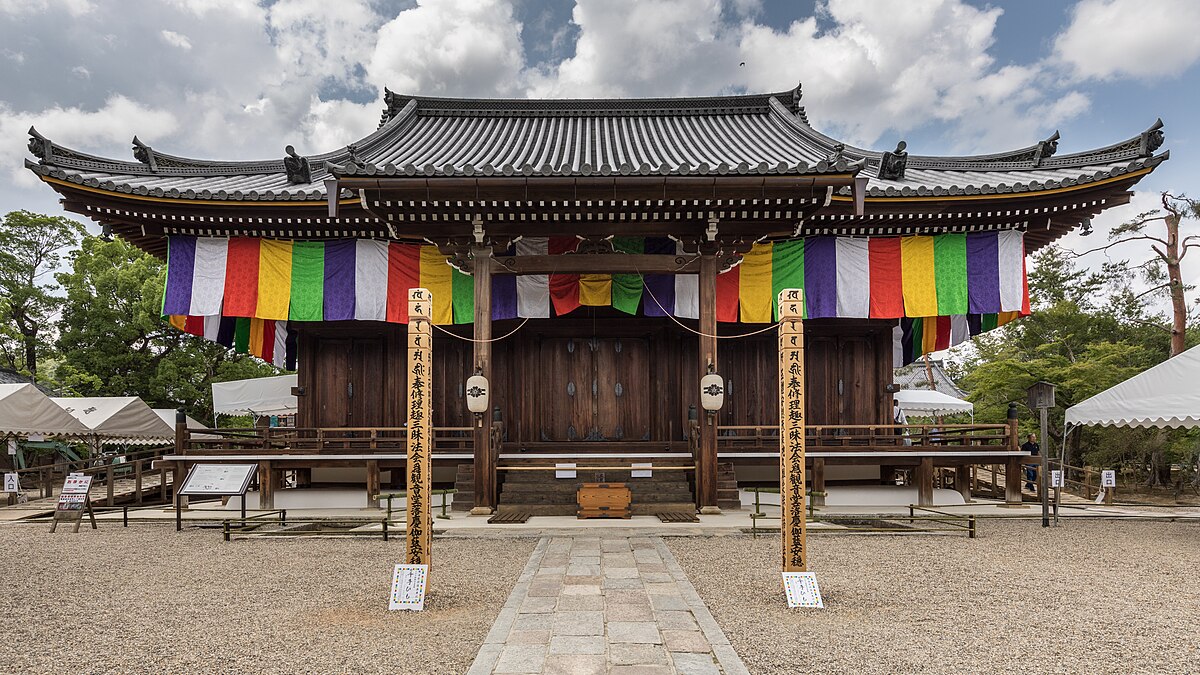
Ninna-ji Temple is the head temple of the Omuro school of Shingon Buddhism, founded in 888 (the 4th year of the Ninna era) at the request of Emperor Uda during the Heian period, and is known as a "monzeki temple" where members of the imperial family and aristocrats serve as monzeki (chief priests). The vast grounds, which harmoniously feature the mountain gate, main hall, Omuro Palace, and five-story pagoda, are registered as a World Heritage Site as part of the "Cultural Monuments of Ancient Kyoto." The temple is particularly attractive for its elegant Heian and Edo period style, which can be seen in the gardens, architecture, and sliding screen paintings, as well as the late-blooming Omurozakura cherry blossoms that adorn the grounds.
Highlights
- Omurozakura: These low, round, late-blooming cherry trees usually reach their peak in late April to early May, later than the Somei Yoshino cherry trees. The sight when they are in full bloom is breathtaking.
- Palace (Ninnaji Palace): A building that was once used as a lodging for the imperial family. You can see the sliding screen paintings and the Shoin-style garden (there is a paid viewing area).
- Kondo, Goei-do and five-story pagoda: You can observe the architectural style, Buddhist statues, and historical design of the temple up close. The five-story pagoda is a landmark of the temple grounds.
- Gardens and strolling landscapes: You can enjoy the charm of each season in the strolling pond garden and moss garden. The autumn leaves are also beautiful.
- The atmosphere of a Monzeki temple: You can experience the tranquility and aesthetic sense that can only be found at a prestigious temple with ties to the Imperial family.
Access (nearest station, transportation, etc.)
- Nearest station: About a 3-minute walk from Omuro-Ninnaji Station on the Keifuku Electric Railroad (Arashiyama Main Line).
- City bus/sightseeing bus: Accessible by Kyoto City bus from Kyoto Station or Shijo (route and travel time vary depending on the departure point, so please check the timetable in advance).
- Walking and cycling: It is convenient to travel by bus, walking, or cycling from nearby tourist spots (Ryoanji Temple, Kinkakuji Temple, Arashiyama area).
- By car: Parking is available in the area (it can get crowded during peak seasons, so we recommend using public transportation).
Estimated stay (estimated time required)
- Tour of the main buildings and gardens: Approximately 60 to 90 minutes
- If you include a detailed tour of the palace, taking photos, and strolling around the area, the tour will take approximately 90 to 150 minutes.
- During the Omuro cherry blossom season and other busy times, you may have to wait to enter, so it's a good idea to reserve at least two hours to be safe.
Nearby spots
- Ryoanji Temple (famous for its rock garden, within walking distance or a short bus ride)
- Kinkakuji Temple (Rokuonji Temple, World Heritage Site)
- Arashiyama/Togetsukyo area (nature and tourist spots)
- Nijo Castle (historic building, easy access)
- Tour the surrounding townhouses and historical sites (you can create a sightseeing route in the northwest area starting from Ninna-ji Temple)
Things to be aware of (crowds, manners, seasonal precautions, etc.)
- congestion:The temple is extremely crowded during the cherry blossom season in spring and the autumn foliage season in autumn. In particular, when the Omuro cherry blossoms are in full bloom, there may be restrictions on admission and long lines, so we recommend that you visit early in the morning or on a weekday.
- Photography etiquette:Photography is permitted in many places within the temple grounds, but there are some areas where photography is prohibited, such as the paintings on the sliding screens and inside the halls. Please follow the signs and instructions of the staff.
- Clothes/shoes:The temple grounds are paved with cobblestones and gravel, so please wear comfortable shoes. Some areas can be slippery on rainy days.
- Admission fee:Please note that separate admission fees may be required for palaces and special viewings. Please check the official website in advance for the latest opening hours and fees.
- Quietness and courtesy:This is a religious facility. Please refrain from loud conversations and noise, and be considerate of religious events and worshippers.
- Seasonal Notes:The best time to see the cherry blossoms is from late April to early May, and the best time to see the autumn leaves is from mid-to-late November. ... mid-to-late November, and the best time
(Reference) It is a good idea to check the official website and tourist information for the latest information (visiting hours, special openings, traffic restrictions, etc.) before visiting.