-

Heiwadai Park (Miyazaki City, Miyazaki Prefecture)
Overview (History, Features, and Attractions) Heiwadai Park is a public park located on a hill in Miyazaki City, and is a place of relaxation developed with the hope of "peace." With a spacious lawn, walking paths, playground equipment, and benches, it is a popular spot for families, walkers, and picnickers. Located on high ground... -
Hosono Plateau (Higashiizu Town, Kamo District, Shizuoka Prefecture)
Overview (History, Features, and Attractions) Hosono Plateau is a highland area overlooking the sea in Higashiizu Town, Kamo District, Shizuoka Prefecture. It is a gentle hilly area with grasslands and is famous for its scenery, especially in autumn, when the pampas grass (Susuki) sways all over the area. You can see the majestic Izu Sea and Sagami Bay, and on clear days, Mount Fuji and Izu... -
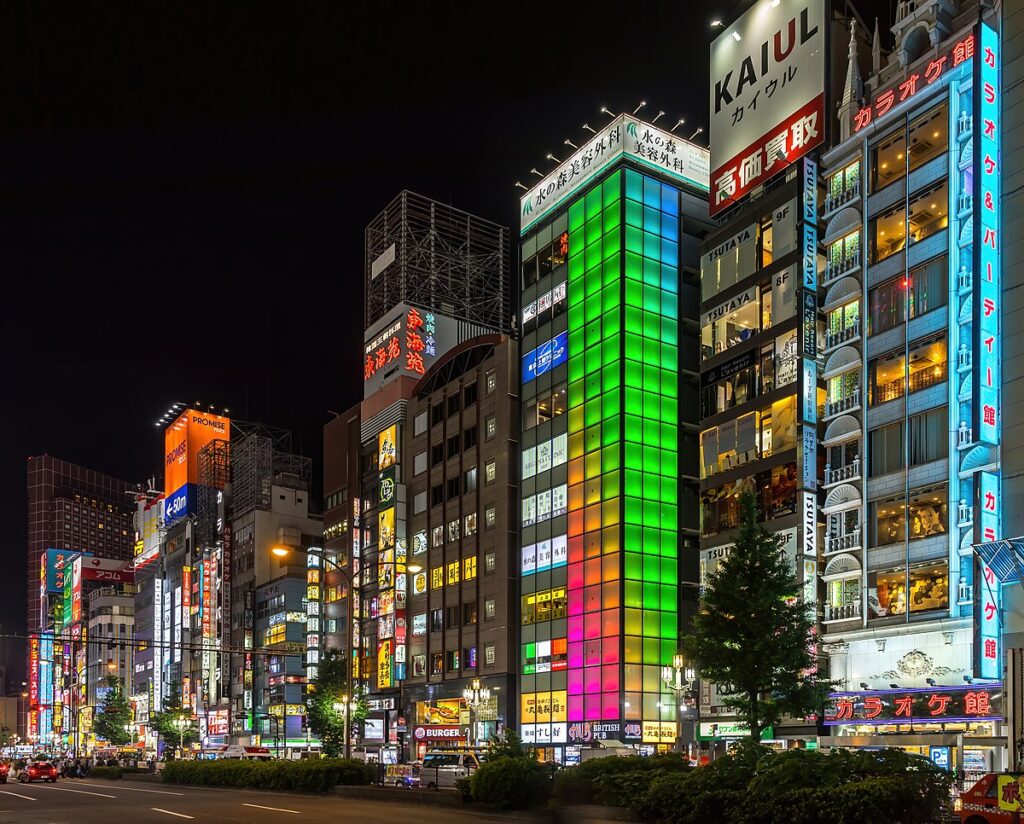
Kabukicho (Shinjuku Ward, Tokyo)
Overview (History, Features, and Attractions) Kabukicho, located in Tokyo's Shinjuku Ward, is one of Japan's leading entertainment and entertainment districts. Its roots lie in the black market and vaudeville scene after World War II, and it was originally named "Kabukicho" after plans to attract a Kabukiza theater. However, the theater never actually came to be located there, and instead it was home to restaurants and entertainment venues. -
Ryujin Onsen (Ryujin, Tanabe City, Wakayama Prefecture)
Overview (History, Features, and Attractions) Ryujin Onsen (Ryujin, Tanabe City, Wakayama Prefecture) is a historic hot spring resort nestled deep in the mountains. As the name suggests, the area is steeped in legends and beliefs related to the "Dragon God," and has long been popular as a therapeutic hot spring resort. While the quality of the spring water varies depending on the region and source... -
Senpiro Falls (Yakushima Town, Kumage District, Kagoshima Prefecture)
Overview (History, Features, and Attractions) Senpiro Falls (Senpiro Falls) is one of the most famous waterfalls in Yakushima Town, Kumage District, Kagoshima Prefecture. Its proximity to a roadside observation point makes it an easy place to visit. The waterfall was nurtured by Yakushima's lush forests and abundant rainfall, and is surrounded by lush greenery. -
Hachigata Castle Ruins (Yorii Town, Saitama Prefecture)
Hachigata Castle Ruins (Yorii Town, Saitama Prefecture) Overview (History, Features, and Attractions) Hachigata Castle, located in Yorii Town, Saitama Prefecture, is one of the most representative castle ruins from the Sengoku period. Its layout cleverly utilizes the topography of the mountains and rivers, and its remains, including earthworks, dry moats, and enclosures, are well preserved. Located in northern Kanto... -
Hofu Tenmangu Shrine (Hofu City, Yamaguchi Prefecture)
Hofu Tenmangu Shrine (Hofu City, Yamaguchi Prefecture) — Overview (History, Features, and Attractions) Hofu Tenmangu Shrine is one of the Tenmangu shrines dedicated to Sugawara no Michizane, known as the god of learning. It is a historic shrine located near the center of Hofu City. It is said to have been founded long ago, dating back to the Heian period, and has been a popular spot for many years... -
Yumekyobashi Castle Road (Hikone City, Shiga Prefecture)
Yumekyobashi Castle Road (Hikone City, Shiga Prefecture) Overview (History, Features, and Attractions) Yumekyobashi Castle Road is a castle-town-style tourist shopping street leading to Hikone Castle. The buildings, all uniformly decorated with white walls and latticework, are reminiscent of Edo-period townscapes, and are lined with souvenir shops, restaurants, cafes, and craft shops. -
VenusFort (Aomi, Koto Ward, Tokyo)
Overview (History, Features, and Attractions) VenusFort is a themed shopping mall located in Tokyo's Odaiba area (Aomi, Koto Ward, Tokyo). Featuring an interior that recreates a European streetscape and ceiling lighting that creates a "sky" effect, the mall changes color from day to evening depending on the season and time of day, even though it's indoors. -
Kushida Shrine (Hakata Ward, Fukuoka City, Fukuoka Prefecture)
Overview (History, Features, and Attractions) Kushida Shrine, located in Hakata Ward, Fukuoka City, is a shrine that has long been worshipped as the main guardian deity of Hakata. It was founded a long time ago (tradition says it dates back to the 8th century during the Nara period) and has developed as a central presence protecting the city of Hakata. It is particularly well known for the Hakata Gion Yamakasa festival...
| Discover Japan - Japan Regional Guide & Travel Information