-

Mount Haguro (Tsuruoka City, Yamagata Prefecture)
Overview (History, Features, and Attractions) Mount Haguro is one of the Dewa Sanzan (Dewa Sanzan: Mount Haguro, Mount Gassan, and Mount Yudono) in Tsuruoka City, Yamagata Prefecture. It has long been known as a sacred place for mountain worship and Shugendo (mountain asceticism). At the summit is the Sanjin Gosaiden (Sanjin-gosaiden), which enshrines the gods of the three mountains... -
Kushiro Wetlands (Kushiro City, Hokkaido).
Overview (History, Features, and Attractions) The Kushiro Wetlands are one of Japan's largest wetlands, located in eastern Hokkaido, centered around Kushiro City. The vast wetlands were formed by post-glacial topographical changes and years of vegetation accumulation, creating a unique landscape with meandering rivers of various sizes. The area is home to a rare ecological... -
Kobe Nunobiki Herb Garden (Chuo Ward, Kobe City, Hyogo Prefecture)
Overview (History, Features, and Attractions) Kobe Nunobiki Herb Garden (official name: Nunobiki Herb Garden) is a highland herb garden located on Mount Nunobiki (the edge of the Rokko Mountain Range), behind Shin-Kobe Station on the Shinkansen line in Kobe's Chuo Ward. A ropeway takes you up to the mountainside, allowing you to experience mountain nature in a short distance from the city... -
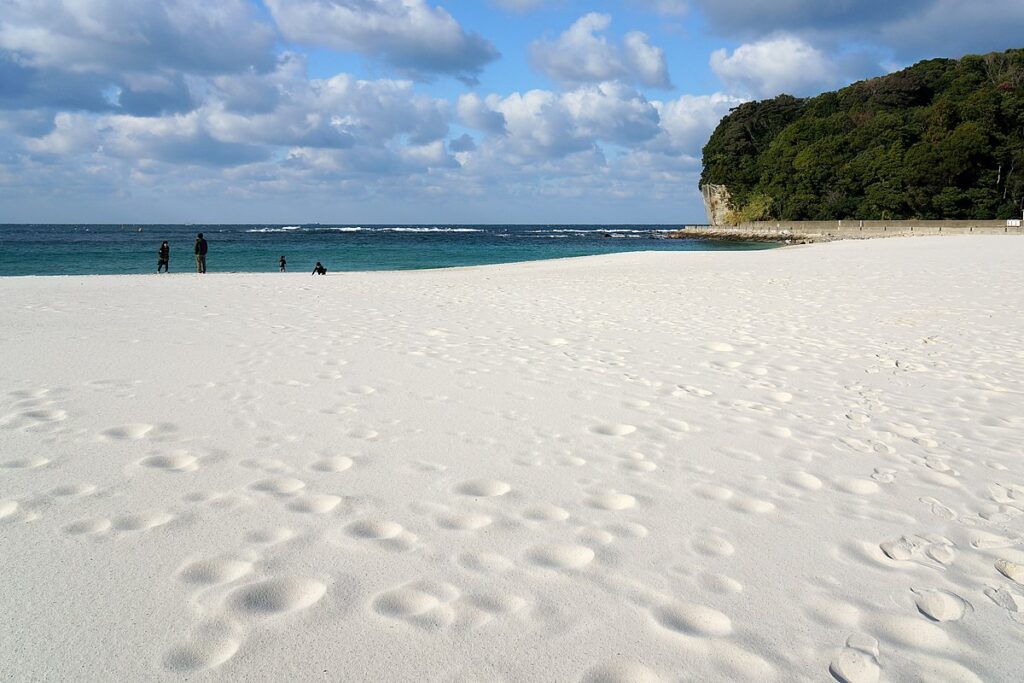
Shirarahama Beach (Shirahama Town, Nishimuro District, Wakayama Prefecture).
Shirarahama Beach (Shirahama Town, Nishimuro District, Wakayama Prefecture) Overview (History, Features, and Attractions) Shirarahama Beach is a white sand beach that represents Shirahama Town, Wakayama Prefecture, and is known for the beautiful contrast between the fine white sand and the blue sea. The arc-shaped beach stretches for approximately 640 meters, and is called "Shirara Beach." -
Shibuya Scramble Crossing (Shibuya Ward, Tokyo)
Shibuya Scramble Crossing (Shibuya Ward, Tokyo) Overview (History, Features, and Attractions) Shibuya Scramble Crossing is the world-famous crosswalk in front of Shibuya Station's Hachiko Exit. When the traffic lights all change to "pedestrian priority," a large number of people cross the intersection, including from diagonal directions, creating a "scramble crossing"... -
Otsuka Museum of Art (Naruto City, Tokushima Prefecture)
Overview (History, Features, and Attractions) The Otsuka Museum of Art (Naruto City, Tokushima Prefecture) is an art museum that exhibits ceramic panel reproductions of world-famous paintings, faithfully recreated in their original size. The museum was established based on the concept of the founder of the Otsuka Group (Otsuka Pharmaceutical Group) and opened in 1998. The ceramic panels... -
Taketomi Island (Taketomi Town, Okinawa Prefecture)
Overview (History, Features, and Attractions) Taketomi Island is a small inhabited island in the Yaeyama Islands of Okinawa Prefecture, and is part of Taketomi Town. The traditional village landscape, with its red-tiled houses, coral stone walls, and white sand roads, has been passed down since the Ryukyu Kingdom era, and it exudes the atmosphere of an old-fashioned island. -
Shibamata Taishakuten Temple (Shibamata, Katsushika Ward, Tokyo)
Overview (History, Features, and Attractions) Shibamata Taishakuten (officially Daikyo-ji Temple) is a historic temple located in Shibamata, Katsushika Ward, Tokyo. It's a popular tourist spot offering a traditional downtown atmosphere, complete with the charming shopping street along the approach to the temple. As an ancient temple dating back to the Edo period, visitors can admire the main hall, mountain gate, and woodcarvings and Buddhist statues on the grounds... -
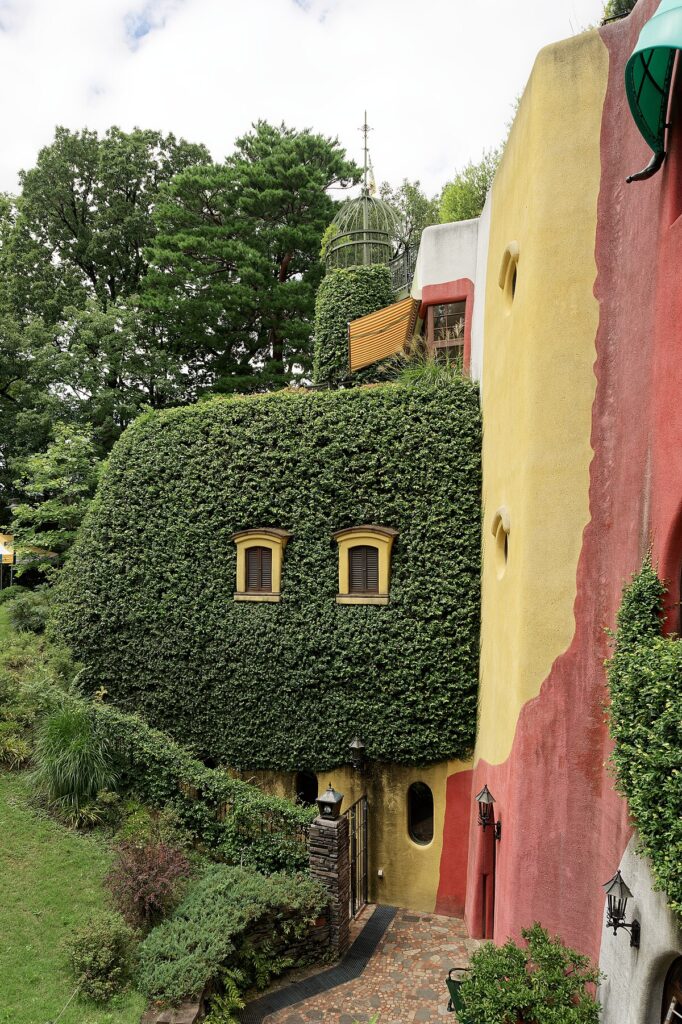
Ghibli Museum, Mitaka (Mitaka, Tokyo)
Overview (History, Features, and Attractions) The Ghibli Museum in Mitaka, Tokyo, is a permanent museum where visitors can experience the world of Studio Ghibli. Opened on October 1, 2001, the building and exhibits, overseen by Hayao Miyazaki, feature a warm, maze-like layout reminiscent of Ghibli films. -
Motsuji Temple (Hiraizumi Town, Iwate Prefecture)
Overview (History, Features, and Attractions) Motsuji Temple is an ancient temple located in Hiraizumi Town, Nishiiwai District, Iwate Prefecture. It is an important temple site that conveys the religious culture of the time when the Oshu Fujiwara clan flourished during the Heian period. It is particularly famous for its Pure Land garden with a central pond, now known as the Motsuji Garden, featuring a vast pond, islands, and waterways...
| Discover Japan - Japan Regional Guide & Travel Information