-

New National Stadium (Shinjuku Ward, Tokyo)
Overview (History, Features, and Appeal) The New National Stadium is one of Japan's leading large-scale stadiums, located in the Kasumigaoka district of Shinjuku Ward, Tokyo. It replaced the old National Stadium, built in 1964, and was newly renovated and designed by world-renowned architect Kengo Kuma. It was completed in 2019 and is scheduled for completion in 2020 (with the completion date set for 2020). -
Yamashita Park (Naka Ward, Yokohama City, Kanagawa Prefecture).
Overview (History, Features, and Attractions) Yamashita Park is a representative seaside park located in Naka Ward, Yokohama City, Kanagawa Prefecture. It opened in 1930 (Showa 5). It was built on reclaimed land created from rubble and landfill following the Great Kanto Earthquake of 1923, and has a long history stretching along the coastline facing Yokohama Port. -
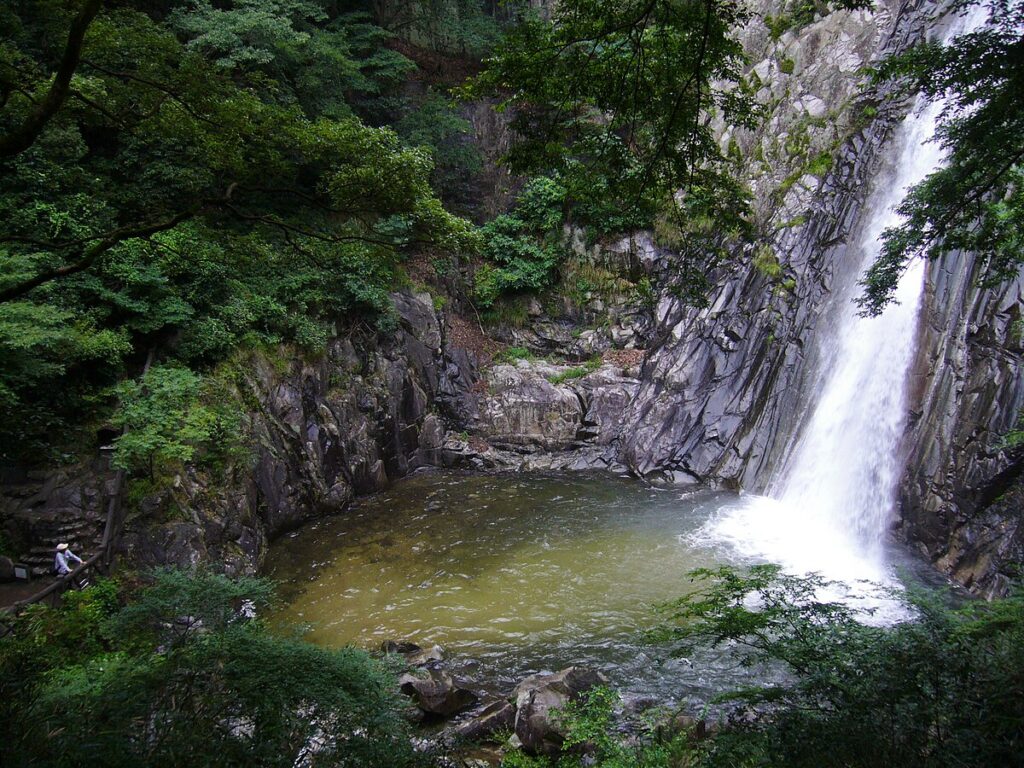
Nunobiki Falls (Kobe City, Hyogo Prefecture)
Nunobiki Falls (Kobe City, Hyogo Prefecture) Overview (History, Features, and Attractions) Nunobiki Falls is a group of waterfalls in a mountain stream near the city center of Kobe's Chuo Ward. It is a scenic spot that has been featured in waka poetry and essays since ancient times. Located just behind Shin-Kobe Station, where the Shinkansen stops, it is an ideal place to enjoy the natural scenery in a short distance from the city center. -
Ameyoko (Taito Ward, Tokyo)
Ameyoko (Taito Ward, Tokyo) Overview (History, Features, and Attractions) Ameya Yokocho (commonly known as Ameyoko) is a shopping street stretching under the elevated tracks between JR Okachimachi Station and JR Ueno Station. It is a typical downtown market that developed from its origins as a black market after the war. There are various theories about the origin of the name, but it is believed to have originated from the area's many candy shops... -
Tanzan Shrine (Sakurai City, Nara Prefecture)
Overview (History, Features, and Attractions) Tanzan Shrine is a shrine located on Mount Tonomine (Tanzan) in Sakurai City, Nara Prefecture, and enshrines Nakatomi Kamatari (later known as Fujiwara Kamatari) as its main deity. Known as the place where Kamatari was involved in the Taika Reforms, the shrine is known for its "katarai" (discussion) tradition... -
Echigo-Tsumari Satoyama Museum of Contemporary Art KINARE (Tokamachi City, Niigata Prefecture)
Overview (History, Features, and Attractions) Echigo-Tsumari Satoyama Museum of Contemporary Art KINARE is a hub for contemporary art in the Echigo-Tsumari region, located in Tokamachi City, Niigata Prefecture. In collaboration with the Echigo-Tsumari Art Triennale (Echigo-Tsumari Satoyama Contemporary Art Festival), the museum connects the region's satoyama and rural areas with contemporary art. -
Mount Kongo (Chihayaakasaka Village, Osaka Prefecture)
Overview (History, Features, and Attractions) Mount Kongo is located in Chihayaakasaka Village in southeastern Osaka Prefecture. At approximately 1,125 meters above sea level, it is the highest mountain in Osaka Prefecture. It has a long history as a subject of Shugendo (mountain asceticism) and mountain worship, and is a popular spot for hiking and nature observation throughout the year. -
Juniko Lake (Fukaura Town, Nishitsugaru District, Aomori Prefecture)
Overview (History, Features, and Attractions) - Juniko (Twelve Lakes) is a group of small lakes and ponds located in Fukaura Town, Nishitsugaru District, Aomori Prefecture. Surrounded by beech forests at the foot of the Shirakami Mountains, it is a popular tourist destination with a beautiful natural landscape. The name "Juniko" (Twelve Lakes) symbolizes the number of lakes, and in fact, there are more than 30 ponds, large and small, scattered throughout the area. -
Takamatsuzuka Tomb (Asuka Village, Nara Prefecture)
Overview (History, Features, and Attractions) Takamatsuzuka Tomb is an ancient tomb located in Asuka Village, Takaichi District, Nara Prefecture, with a horizontal stone chamber built in the late Asuka period (late 7th century to around the 8th century). Discovered in 1972, it attracted attention for the colorful murals of figures and patterns painted on the walls of the stone chamber inside. -
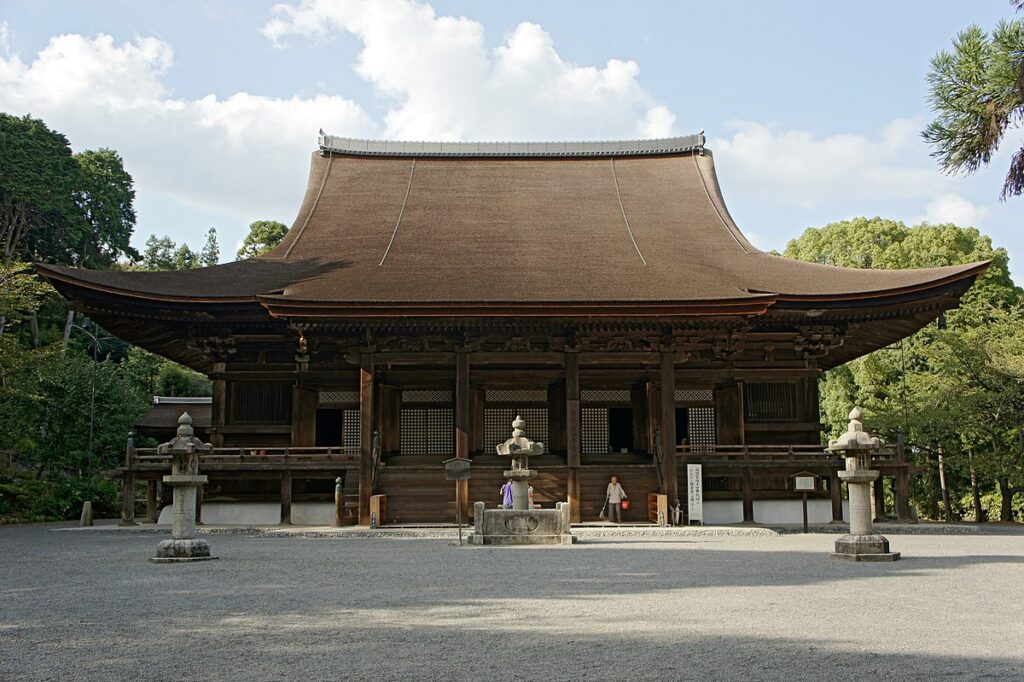
Mii-dera Temple (Otsu City, Shiga Prefecture)
Overview (History, Features, and Attractions) Mii-dera (Onjo-ji) is an ancient temple in Otsu City, Shiga Prefecture. It has long been a Tendai Buddhist temple that has attracted worshippers. Its official name is Onjo-ji, but it is commonly known as Mii-dera ("Mii-dera"), a name derived from the "three springs" that are said to be located within the temple grounds.
| Discover Japan - Japan Regional Guide & Travel Information