-

Mikasa Park (Yokosuka City, Kanagawa Prefecture)
Overview (History, Features, and Attractions) Mikasa Park (Yokosuka City, Kanagawa Prefecture) is an open park facing the sea, famous for preserving and exhibiting the battleship "Mikasa," which was active from the Meiji to Taisho periods. The Mikasa was the flagship of the Combined Fleet during the Russo-Japanese War, and served as a vessel for Admiral Togo Heihachiro, who sailed across the Tsushima Strait and... -
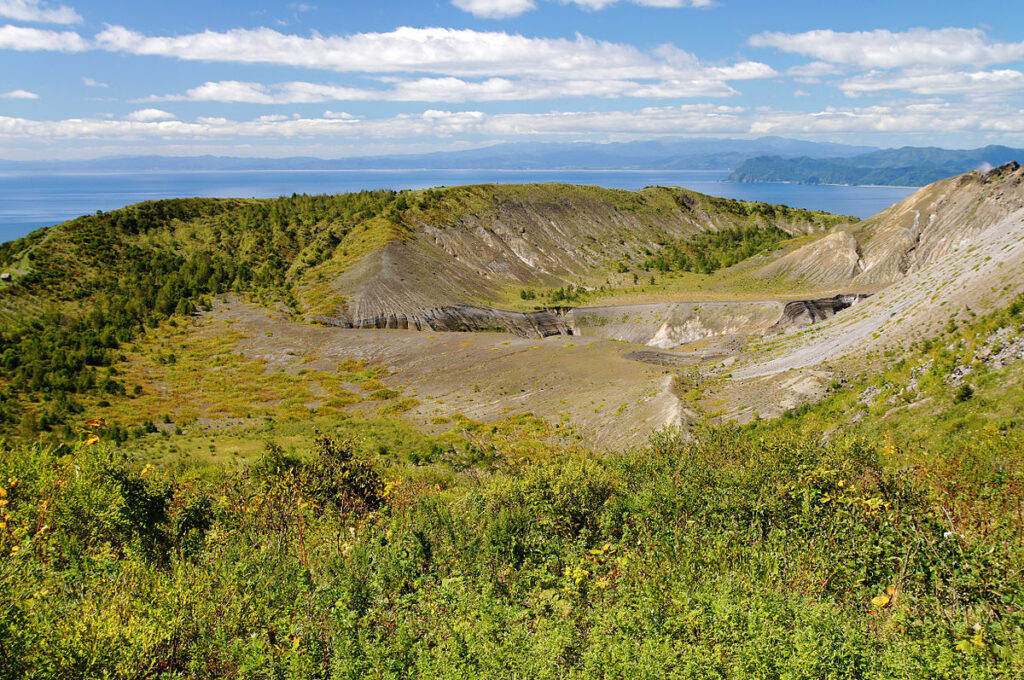
Mount Usu (Sobetsu Town, Hokkaido).
Overview (History, Features, and Attractions) Mount Usu is an active volcano located in Sobetsu Town, Usu District, Hokkaido, and is part of Shikotsu-Toya National Park, which includes Lake Toya. The mountain is located on the rim of a caldera, and is notable for having erupted repeatedly throughout the Showa and Heisei periods. In particular, in 19... -
Terukuni Shrine (Kagoshima City, Kagoshima Prefecture)
Terukuni Shrine (Kagoshima City, Kagoshima Prefecture) Overview (History, Features, and Attractions) Terukuni Shrine is a historic shrine located in the center of Kagoshima City. It is a shrine dedicated to local figures with ties to the region, including Shimazu Nariakira (the name of the shrine's founder), known as the lord of the Satsuma domain and a wise ruler of the Shimazu clan. -
Hitoyoshi Castle (Hitoyoshi City, Kumamoto Prefecture)
Overview (History, Features, and Attractions) Hitoyoshi Castle is a castle ruin located in Hitoyoshi City, Kumamoto Prefecture. It developed as the residence of the Sagara clan, who ruled the region from the Kamakura to Muromachi periods. Built on a plateau near the Kuma River, the castle retains its medieval history through the remains of its stone walls and enclosures... -
Angel Road (Tonosho Town, Shozu District, Kagawa Prefecture).
Overview (History, Features, Attractions) Angel Road is a sandbar that appears depending on the tide in Tonosho Town (Shodoshima Island), Shozu District, Kagawa Prefecture. At low tide, the sea level drops, connecting the main island with the surrounding small islands, creating a footpath that emerges. A mystical landscape created by nature... -
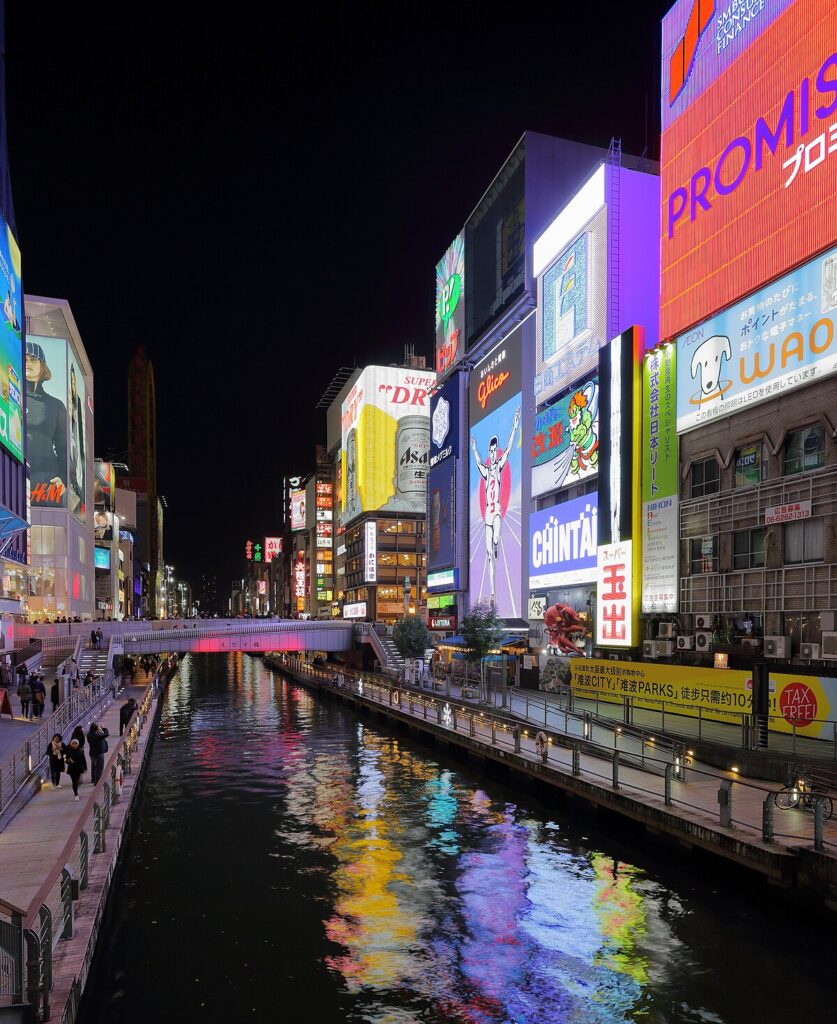
Dotonbori (Chuo Ward, Osaka City, Osaka Prefecture)
Overview (History, Features, and Attractions) Dotonbori is a bustling shopping district along the Dotonbori River in Osaka's Chuo Ward, and one of Osaka's most famous tourist destinations. Its origins date back to a waterway dug by Yasui Doton in the early 17th century (around 1612), and since the Edo period, it has become a popular destination for theaters, comedy halls, and restaurants. -
Akiyoshidai (Mine City, Yamaguchi Prefecture)
Overview (History, Features, and Attractions) Akiyoshidai, located in Mine City, Yamaguchi Prefecture, is one of Japan's largest karst plateaus. Formed over many years by weathering and erosion of limestone, the undulating grassland is dotted with distinctive limestone outcrops and dolines (depressed landforms). The vast grassland... -
Makuhari Messe (Mihama-ku, Chiba City, Chiba Prefecture)
Overview (History, Features, and Attractions) Makuhari Messe is a large international exhibition and convention center located in Mihama Ward, Chiba City, Chiba Prefecture. Since its opening in 1989, it has hosted a wide variety of events, including domestic and international trade fairs, exhibitions, international conferences, concerts, and other events. It has multiple exhibition halls and an international... -
Sanuki Manno National Government Park (Manno Town, Nakatado District, Kagawa Prefecture)
Overview (History, Features, and Attractions) Sanuki Manno National Government Park (Manno Town, Nakatado District, Kagawa Prefecture) is a national park where you can enjoy the nature of the Sanuki Plain. It features a spacious lawn, seasonal flower fields, walking trails, and observation spots, making it a great place for families, picnics, photography, and nature observation. -
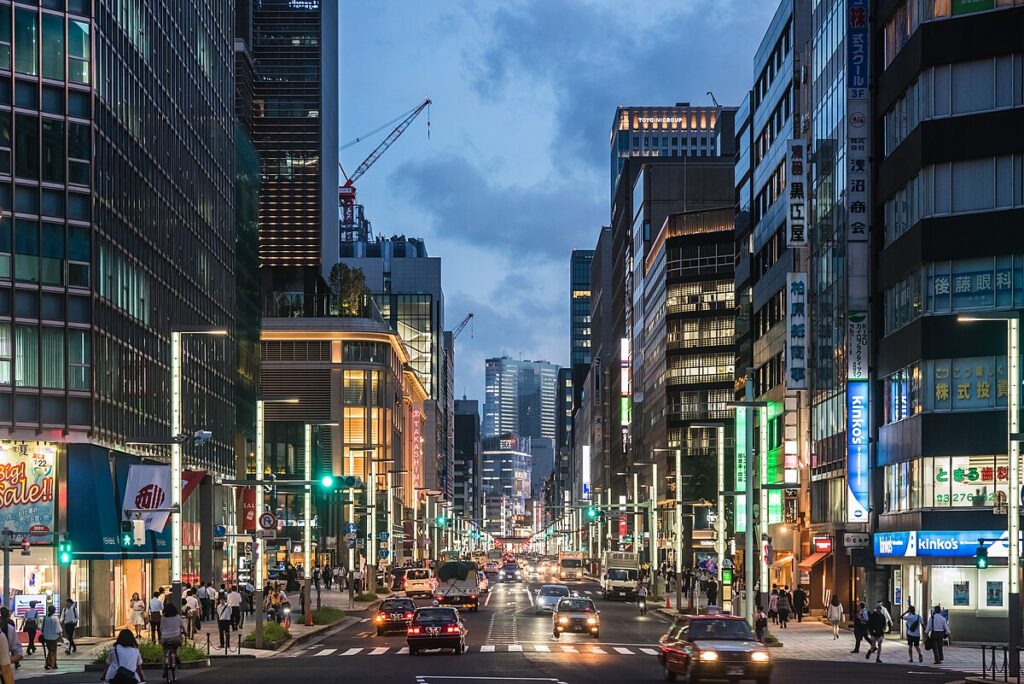
Nihonbashi (Chuo Ward, Tokyo)
Overview (History, Features, and Attractions) Nihonbashi is a historic commercial and financial center located in Chuo Ward, Tokyo. Developed as the starting point of the five main roads during the Edo period, Nihonbashi developed as a hub for transportation and logistics, and became one of the birthplaces of merchant culture. Even today, Nihonbashi Bridge...
| Discover Japan - Japan Regional Guide & Travel Information