-

Hatoma Island (Taketomi Town, Okinawa Prefecture)
Overview (History, Features, and Attractions) Hatoma Island is a small inhabited island in the Yaeyama Islands of Okinawa Prefecture, belonging to Taketomi Town. With only a small, small settlement, the island's charm lies in its traditional, rustic scenery and abundant natural beauty. The island's traditional folk song, "Hatomabushi," is a Yaeyama... -
Kubota Castle (Akita City, Akita Prefecture)
Overview (History, Features, and Attractions) Kubota Castle (Kubota Castle Ruins) was a castle located in the center of present-day Akita City. During the Edo period, it was developed as the residence of the Akita Domain (Satake clan). The center of the castle is now Senshu Park, and the remains of the moat, stone walls, and main and secondary enclosures remain... -
Dutch Slope (Nagasaki City, Nagasaki Prefecture)
Overview (History, Features, and Attractions) Dutch Slope is a stone-paved slope in the Higashiyamate and Minamiyamate districts of Nagasaki City, and is a representative scenic spot of the exotic cityscape. During the Edo period, foreigners (especially Dutch merchants and Westerners) who lived in Nagasaki through Dejima settled in this area, and so the area became known as "Oranzaka.". -
Daiozaki Lighthouse (Shima City, Mie Prefecture)
Overview (History, Features, and Attractions) Daiozaki Lighthouse is a coastal lighthouse located at Daiozaki Cape in Daio Town, Shima City, Mie Prefecture. Located at the tip of a cape facing the Pacific Ocean, the Kumano Sea, and the Kii Channel, it has long played an important role as a key point for maritime traffic. -
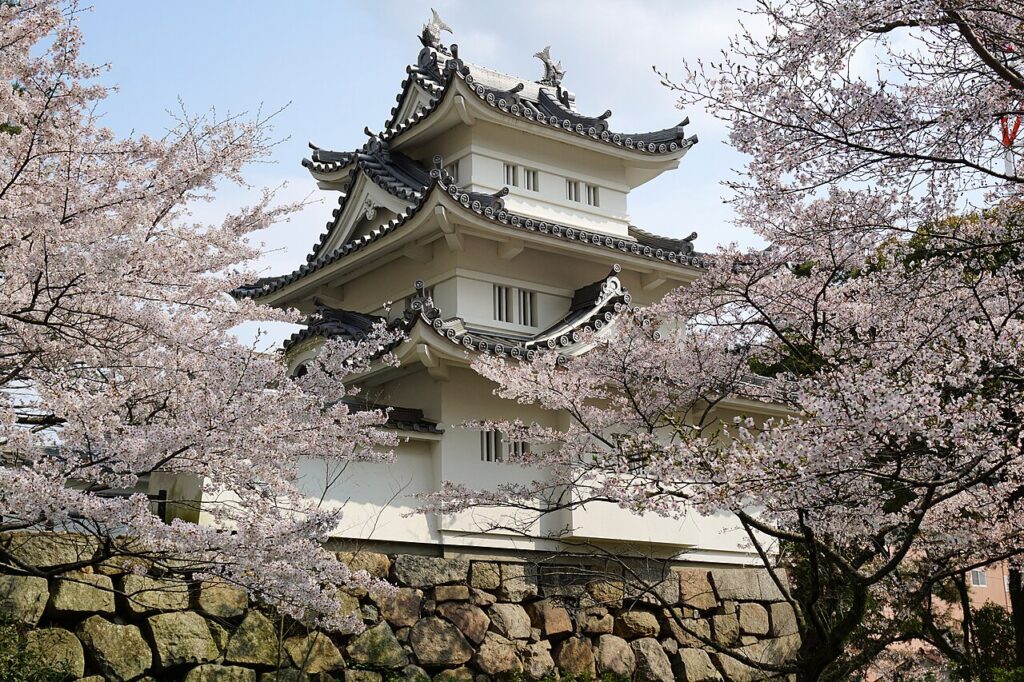
Obi Castle (Nichinan City, Miyazaki Prefecture)
Overview (History, Features, and Attractions) Obi Castle (Obi Castle Ruins) is the collective name for the castle ruins and castle town in the Obi district of Nichinan City, Miyazaki Prefecture. From the Middle Ages through the Edo period, it was the political and cultural center of the Obi domain. Even after the castle itself was abandoned, the castle town, stone walls, and samurai residences remain in good condition. Especially in the Edo period... -
Mount Takachiho (Takachiho Town, Miyazaki Prefecture).
Let me confirm. Regarding your specified "Takachiho-no-mine (Takachiho Town, Miyazaki Prefecture)," there are places with the same or similar names, which can easily lead to confusion. - A: "Takachiho-no-mine" is a volcanic mountain. It is usually a peak in the Kirishima mountain range, located primarily in Kagoshima Prefecture (Kirishima region). -
Noboribetsu Bear Ranch (Noboribetsu City, Hokkaido)
Overview (History, Features, and Attractions) Noboribetsu Bear Ranch is a tourist facility located on a hill in Noboribetsu Onsen, Noboribetsu City, Hokkaido. It is a bear ranch that primarily raises and exhibits brown bears. For many years, it has been a popular place to observe bears in a natural environment, and offers feeding experiences, observation walkways, and observation spaces... -
Mount Nose Myoken (Nose Town, Toyono District, Osaka Prefecture)
Mount Nose Myoken (Nose Town, Toyono District, Osaka Prefecture) Overview (History, Features, and Attractions) Mount Nose Myoken is a sacred mountain located in Nose Town in northern Osaka Prefecture. It has long been known as a sacred site for Myoken faith (a faith that regards the North Star, or the Big Dipper, as its principal deity). At the top of the mountain is Myoken-do (Myoken-ji Temple, Myoken-ji Temple). -
Mori Art Museum (Roppongi, Minato-ku, Tokyo)
Overview (History, Features, and Appeal) The Mori Art Museum is a contemporary art museum located on the upper floors of Roppongi Hills Mori Tower, a landmark in Roppongi, Minato Ward, Tokyo. Since its opening in 2003, it has been known as a major venue showcasing contemporary art from Japan and abroad, focusing particularly on international artists and themes, including those from Asia. -
Hatonosu Valley (Ome City, Tokyo)
Hatonosu Valley (Ome City, Tokyo) — Overview (History, Features, and Attractions) Hatonosu Valley is a scenic spot featuring large granite boulders, oddly shaped rocks, shallows, and pools carved by the clear waters of the Tama River (its upper reaches run toward Okutama). It has long been a popular scenic spot on the Tama River, and is easily accessible from the nearby train station (Hatonosu Station).
| Discover Japan - Japan Regional Guide & Travel Information