-

Yumenoshima Park (Koto Ward, Tokyo)
Overview (History, Features, and Attractions) Yumenoshima Park (Koto Ward, Tokyo) is an urban park created on reclaimed land along the Tokyo Bay coast. Known as an example of how former reclaimed land has been transformed into green space and recreational facilities, its greatest appeal lies in the openness and proximity to the sea, even while still being close to the city center. Within the park... -
Misumi West Port (Uki City, Kumamoto Prefecture)
Overview (History, Features, and Attractions) Misumi Nishiko is a historic port district facing the Ariake Sea in Uki City, Kumamoto Prefecture. Port facilities, masonry embankments, warehouses, and port townscapes built between the Meiji and Taisho periods remain in good condition, providing a strong remnant of the modern port of the time. -
Gangoji Temple (Nara City, Nara Prefecture)
Overview (History, Features, and Attractions) Gangoji Temple is an ancient temple in Nara City that originated in the Asuka period and was moved to its current location during the Nara period. It is said to have originated as "Asukadera" (or Hoko-ji), and has played a long religious role, changing in size and name after the capital was moved to Nara. -
Lake Sai (Fujikawaguchiko Town, Minamitsuru District, Yamanashi Prefecture)
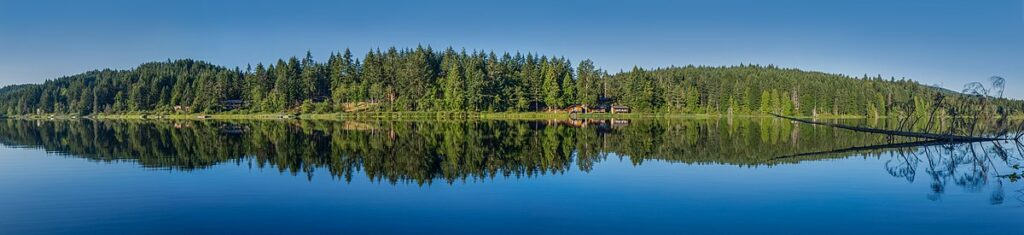
Lake Saiko (Fujikawaguchiko Town, Minamitsuru District, Yamanashi Prefecture) Overview (History, Features, and Attractions) Lake Saiko, one of the Fuji Five Lakes, is located at the northwestern foot of Mount Fuji in Fujikawaguchiko Town, Yamanashi Prefecture. The lakeside is a quiet area with much of its untouched natural beauty, influenced by the topography created by ancient volcanic activity and lava flows. -
Shimizu Park (Noda City, Chiba Prefecture)
Overview (History, Features, and Attractions) Shimizu Park (Noda City, Chiba Prefecture) is a comprehensive park rich in nature, beloved by locals for its seasonal flowers and trees, waterfront scenery, and outdoor facilities. It is particularly famous for its field athletics, featuring a large athletic course that can be enjoyed by children and adults alike. -
Cape Nojima (Minamiboso City, Chiba Prefecture)
Overview (History, Features, and Attractions) Nojimazaki is a cape located at the southern tip of the Boso Peninsula in Minamiboso City, Chiba Prefecture. Its cliffs jutting out into the Pacific Ocean and expansive ocean views are captivating, and on clear days, you can sometimes see the Izu Islands and Mount Fuji in the distance. Its symbol, the Nojimazaki Lighthouse, is a historic landmark... -
Tamaudun (Naha City, Okinawa Prefecture).
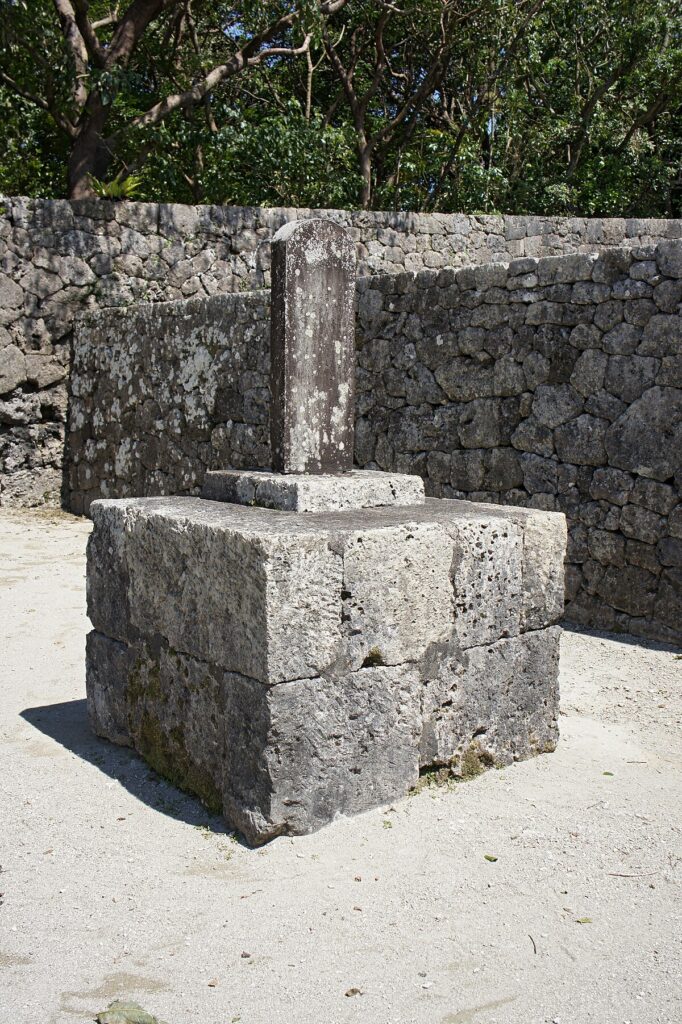
Tamaudun (Tamaudun) Overview (History, Features, and Attractions) Tamaudun, located in Shuri, Naha City, Okinawa Prefecture, is the mausoleum of the Second Sho Dynasty of the Ryukyu Kingdom. It is a stone royal tomb believed to have been built in 1501 (or the early 16th century) for King Sho Shin or Sho Sei and the royal family. It follows traditional Ryukyu funeral customs... -
Mishima Taisha Shrine (Mishima City, Shizuoka Prefecture)
Overview (History, Features, and Attractions) Mishima Taisha Shrine is an ancient shrine located in Mishima City, Shizuoka Prefecture. Located in the center of the city, it has long been beloved as the local guardian deity. It was founded long ago, and according to its legend, it has attracted worshippers since ancient times. It also has a deep connection to the surrounding nature and springs. -
Marine World Uminonakamichi (Higashi Ward, Fukuoka City, Fukuoka Prefecture)
Overview (History, Features, and Attractions) Marine World Uminonakamichi is a large aquarium located in Uminonakamichi, Higashi Ward, Fukuoka City. It features a wide variety of marine life, primarily from the waters off Kyushu, including fish from the Genkai Sea and Kuroshio Current, dolphin and sea lion performances, and large aquariums. -
Shirahama Onsen (Shirahama Town, Wakayama Prefecture)
[Overview (History, Features, and Attractions)] Shirahama Onsen (Shirahama Town, Wakayama Prefecture) is one of Japan's oldest hot spring resorts, said to have a history of approximately 1,300 years. Adjacent to the beautiful white sand beach of Shirarahama and other scenic coastal areas, it boasts many open-air baths and inns overlooking the ocean.
| Discover Japan - Japan Regional Guide & Travel Information