-

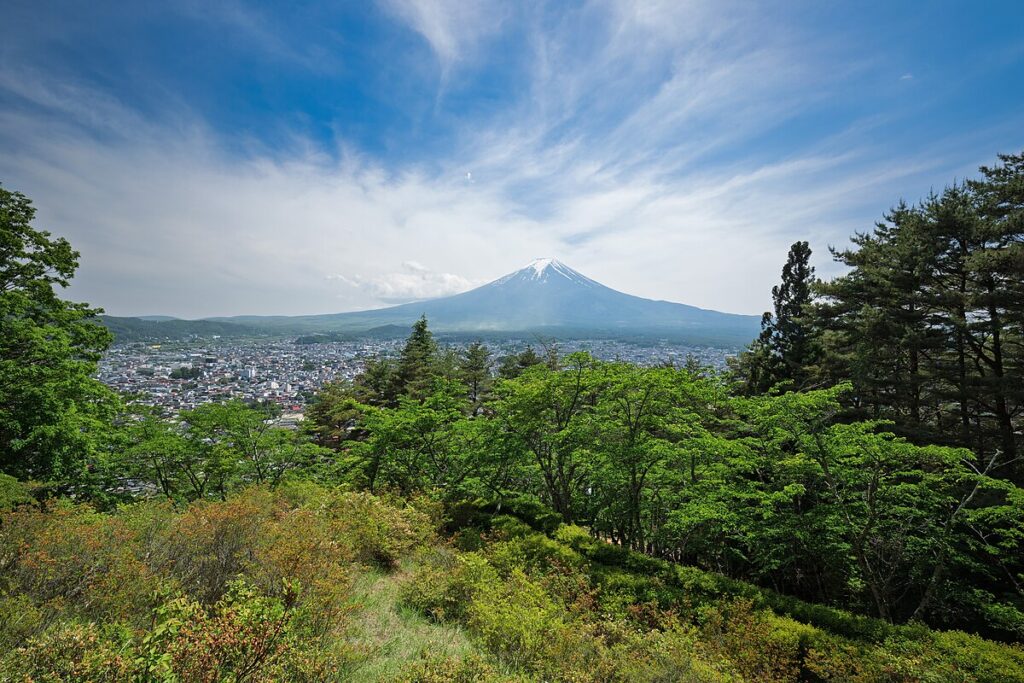
Arakurayama Sengen Park (Fujiyoshida City, Yamanashi Prefecture)
Overview (History, Features, and Attractions) Arakurayama Sengen Park is a park located on a small hill in Fujiyoshida City, Yamanashi Prefecture. Its five-story red Chureito Pagoda (commonly known as Chureito Pagoda), cherry blossoms, and Mount Fuji in the foreground create a beautiful, scenic view. -
Inatori Onsen (Higashiizu Town, Kamo District, Shizuoka Prefecture)
Overview (History, Features, and Attractions) Inatori Onsen is a seaside hot spring resort located in Higashiizu Town, Kamo District, Shizuoka Prefecture. Its location overlooking the Sagami Sea and the Pacific Ocean is a defining feature, and fishing and hot springs have long supported the local lifestyle. The "open-air baths with ocean views" are a unique feature of a hot spring town close to the sea. -
Kenchoji Temple (Kamakura City, Kanagawa Prefecture)
Kenchoji Temple (Kamakura, Kanagawa Prefecture) Overview (History, Features, and Attractions) Kenchoji Temple is the head temple of the Kenchoji branch of the Rinzai sect of Buddhism in Kamakura City. It is said to have been founded in 1253 (Kencho 5) by Hojo Tokiyori, who welcomed the Chinese Zen monk Rankei Doryu. It is ranked first among the Five Mountains of Kamakura, and is a prestigious temple... -
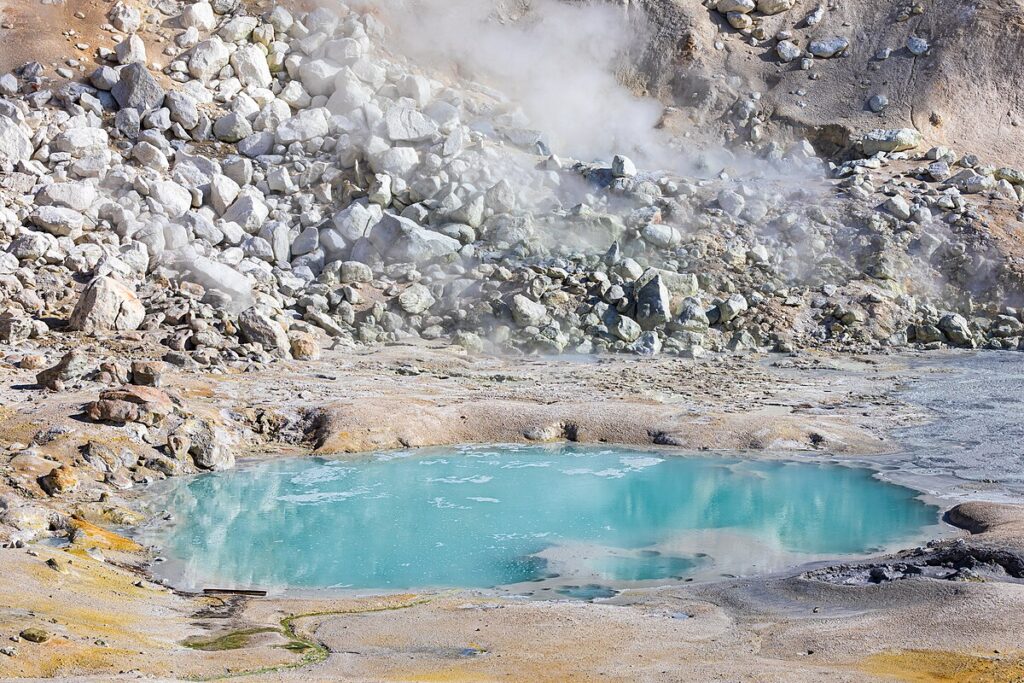
Sea Hell (Beppu City, Oita Prefecture)
Overview (History, Features, and Attractions) Umi Jigoku (Sea Hell) is one of the tourist hells in the Kannawa Onsen hot spring area of Beppu City, Oita Prefecture, and is a representative spot on the Beppu Hell Tour. As its name suggests, it features a large, deep cobalt blue pool reminiscent of the sea, with hot water gushing out... -
Sada Submerged Bridge (Shimanto City, Kochi Prefecture)
Sada Chinkabashi Bridge (Shimanto City, Kochi Prefecture) Overview (History, Features, and Attractions) Sada Chinkabashi Bridge is one of the remaining "Chinkabashi" (submerged bridges) along the Shimanto River that flows through Shimanto City, Kochi Prefecture. A submerged bridge is a low-lying bridge without a railing, built to be submerged during floods. -
Takara Shrine (Kurume City, Fukuoka Prefecture)
Overview (History, Features, and Attractions) Kora Taisha Shrine is a historic shrine located near the summit of Mount Kora in Kurume City, Fukuoka Prefecture. It has long been revered as the guardian deity of the region, and the scenery of the shrine grounds and approach to the mountain is distinctive. The stone steps, torii gates, and shrine buildings on the approach create a stunning landscape... -
Imamiya Shrine (Kita Ward, Kyoto City, Kyoto Prefecture)
Overview (History, Features, and Attractions) Imamiya Shrine is a historic shrine located in Kita Ward, Kyoto City, affectionately known locally as "Imamiya-san." It is said to have been founded during the Heian period and has attracted worshippers as a place to pray for protection from epidemics and misfortune. The grounds contain a tranquil atmosphere... -
Yayoi Kusama Museum (Shinjuku, Tokyo)
Let me confirm. Is it correct to say the location is "Shinjuku-ku, Tokyo" (I'm checking because the information you provided was duplicated). Also, please check the official website for accurate and up-to-date information on the nearest station, opening hours, ticket purchasing methods, etc. If that's okay, I'd like to know... -
Mid-Sea Road (Uruma City, Okinawa Prefecture)
Overview (History, Features, Attractions) The Mid-Sea Road is a driveway that crosses the sea in Uruma City, in the central part of Okinawa's main island. Its greatest attraction is the straight road stretching over the sea and the emerald green sea that stretches out on both sides. Originally, it was built to improve transportation convenience between the outlying islands and the main island... -
Kashii Shrine (Higashi Ward, Fukuoka City, Fukuoka Prefecture)
Kashii Shrine (Higashi Ward, Fukuoka City, Fukuoka Prefecture) Overview (History, Features, and Attractions) Kashii Shrine is a historic shrine located in Kashii, Higashi Ward, Fukuoka City, and enshrines three deities: Emperor Chuai, Empress Jingu, and Emperor Ojin. According to the shrine's history, it has been enshrined in this location since ancient times and has long been revered as a central shrine for the region.
| Discover Japan - Japan Regional Guide & Travel Information