-

Anjo Industrial and Cultural Park Denpark (Anjo City, Aichi Prefecture)
Anjo Industrial and Cultural Park Denpark (Anjo City, Aichi Prefecture) Overview (History, Features, and Attractions) Anjo Industrial and Cultural Park Denpark (commonly known as Denpark) is an urban park facility with themes of flowers, food, and craftsmanship. The park features seasonal flower beds and gardens, a greenhouse, and interactive facilities and workshops for children. -
Namba Grand Kagetsu (Chuo-ku, Osaka City, Osaka Prefecture)
Overview (History, Features, and Attractions) Namba Grand Kagetsu (commonly known as NGK) is a Yoshimoto Kogyo entertainment theater located in the Namba area of Osaka. It hosts daily performances of manzai, rakugo, and Yoshimoto Shinkigeki (comedy plays), allowing you to experience Osaka's comedy culture. -
Urauchi River (Taketomi Town, Okinawa Prefecture)
Overview (History, Features, and Attractions) The Urauchi River is a representative river that flows through Iriomote Island (Taketomi Town) in the Yaeyama Islands of Okinawa Prefecture, and is known as one of the longest rivers in Okinawa Prefecture. The mangrove forests and subtropical virgin forests that spread from the river mouth to the upstream area nurture a unique ecosystem... -
Ofuna Kannon (Kamakura City, Kanagawa Prefecture)
Overview (History, Features, and Attractions) Ofuna Kannon (Ofuna Kannon Temple) is a spot located in Ofuna, Kamakura City, Kanagawa Prefecture, centered around a giant Kannon statue and its grounds. Built as a prayer for postwar peace and the tranquility of the region, the elegant white Kannon statue catches the eye from afar and has become a local landmark. -
Sunshine 60 Observatory (Toshima Ward, Tokyo)
Overview (History, Features, and Attractions) The Sunshine 60 Observatory is a high-rise observation deck located within Sunshine City in Toshima Ward, Tokyo. It is located at the top of Sunshine 60 (approximately 240 meters high, 60 stories), which was completed in 1978. At the time of its completion, it attracted attention as one of the tallest skyscrapers in Japan. Currently... -
Suma Temple (Suma Ward, Kobe City, Hyogo Prefecture)
Suma-dera Temple (Suma Ward, Kobe City, Hyogo Prefecture) Overview (History, Features, and Attractions) Suma-dera Temple is an ancient temple located in the hills near the coast in Suma Ward, Kobe City. Located in the scenic Suma Bay area since ancient times, the temple has often appeared in waka poetry and literature. It features prominently in works from the Heian period, such as The Tale of Genji and The Tale of the Heike. -
Sapporo Snow Festival (Sapporo, Hokkaido)
Overview (History, Features, and Attractions) The Sapporo Snow Festival is one of Japan's largest snow and ice festivals, held every winter in Sapporo, Hokkaido. It began in 1950 when local junior and senior high school students created snow sculptures in Odori Park, and has since expanded with the participation of local residents. Today, it is a major event that attracts millions of visitors from Japan and abroad. -
Upopoy (Shiraoi Town, Hokkaido)
Overview (History, Features, and Attractions) Upopoy (UP・OPOY / National Ainu Museum and Ethnic Coexistence Park) is a hub for the transmission and dissemination of Ainu culture in Shiraoi, Hokkaido. The name "Upopoy" means "a place to sing together" or "singing people" in the Ainu language, and since its opening in 2020, it has been a popular spot for Ainu... -
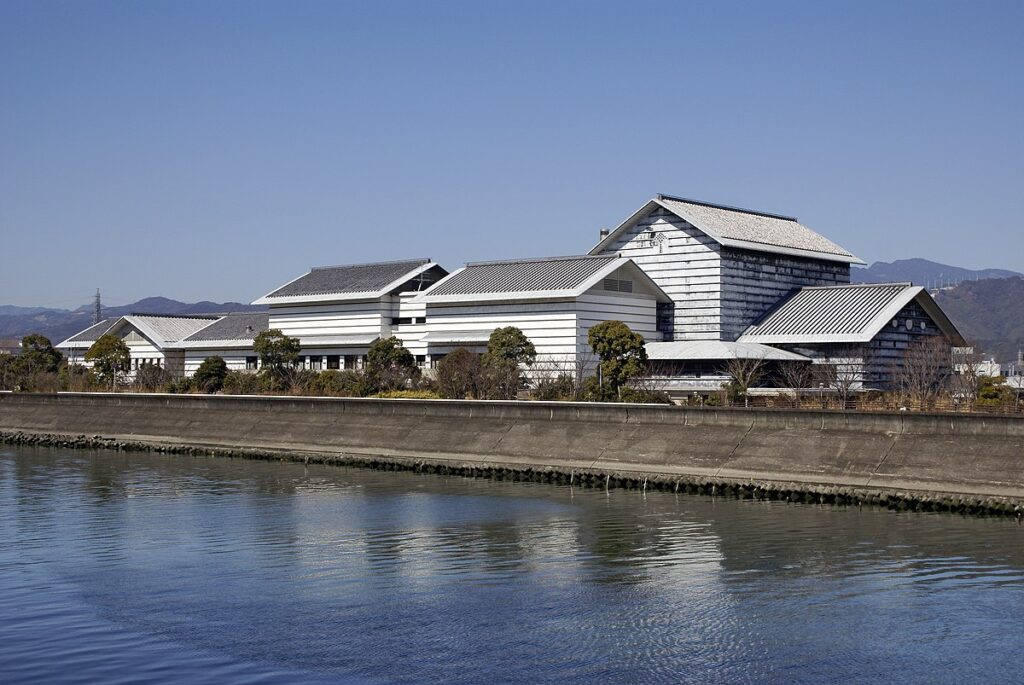
Kochi Museum of Art (Kochi City, Kochi Prefecture)
Overview (History, Features, and Appeal) The Kochi Museum of Art is a major art facility operated with the aim of preserving and showcasing the art and culture of Kochi Prefecture and promoting local culture. The museum houses and exhibits modern and contemporary art, traditional crafts, and works by local artists from within and outside the prefecture, and also hosts a variety of special exhibitions and educational outreach programs. -
Mount Buko (Yokoze Town, Chichibu District, Saitama Prefecture)
Overview (History, Features, and Attractions) Mount Bukō, located in Yokoze Town, Chichibu District, Saitama Prefecture, is one of the iconic mountains of the Chichibu region. Standing at approximately 1,300 meters above sea level, it is characterized by its distinctive, sharp shape and the remains of limestone mining on its slopes. It has long been closely associated with limestone mining and cement production...
| Discover Japan - Japan Regional Guide & Travel Information