-

Kawagoe Hikawa Shrine (Kawagoe City, Saitama Prefecture)
Overview (History, Features, and Attractions) Kawagoe Hikawa Shrine (Kawagoe City, Saitama Prefecture) has long been beloved by local residents and is particularly famous for its love-matching (prayer for a good marriage). Its founding is said to date back over 1,500 years, and it has remained deeply connected to Kawagoe's history and culture since the Edo period. Surrounded by trees... -
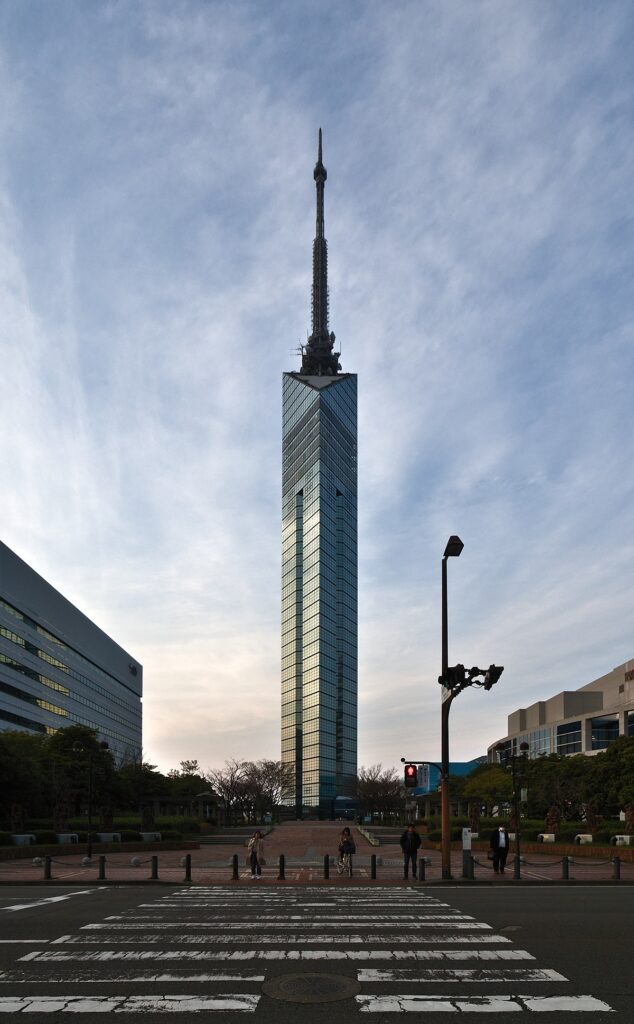
Fukuoka Tower (Sawara Ward, Fukuoka City, Fukuoka Prefecture)
Overview (History, Features, and Attractions) Fukuoka Tower is a 234-meter-high radio and observation tower located in the Momochi district of Sawara Ward, Fukuoka City, in the bay area. Completed in 1989, it is known as the tallest tower facing the sea in Japan. The exterior is made of triangular aluminum and mirrored glass... -
Chirihama Nagisa Driveway (Hakui City, Ishikawa Prefecture)
Overview (History, Features, Attractions) Chirihama Nagisa Driveway (Hakui City, Ishikawa Prefecture) is one of the few sandy beaches in Japan where you can drive on it. The coastline stretches for several kilometers, and the sand is so compact that it's possible for regular cars and buses to drive on it. Enjoy the openness of the expansive sea and sky, and the pounding waves... -
Hokkaido Shrine (Chuo Ward, Sapporo, Hokkaido)
Hokkaido Shrine (Chuo Ward, Sapporo, Hokkaido) Overview (History, Features, and Attractions) Hokkaido Shrine is a representative shrine located within Maruyama Park in Chuo Ward, Sapporo. It was founded after the Meiji period as a prayer for the development of Hokkaido and the peace and prosperity of the region. The lush grounds are beautiful throughout the seasons, especially with the cherry blossoms in spring... -
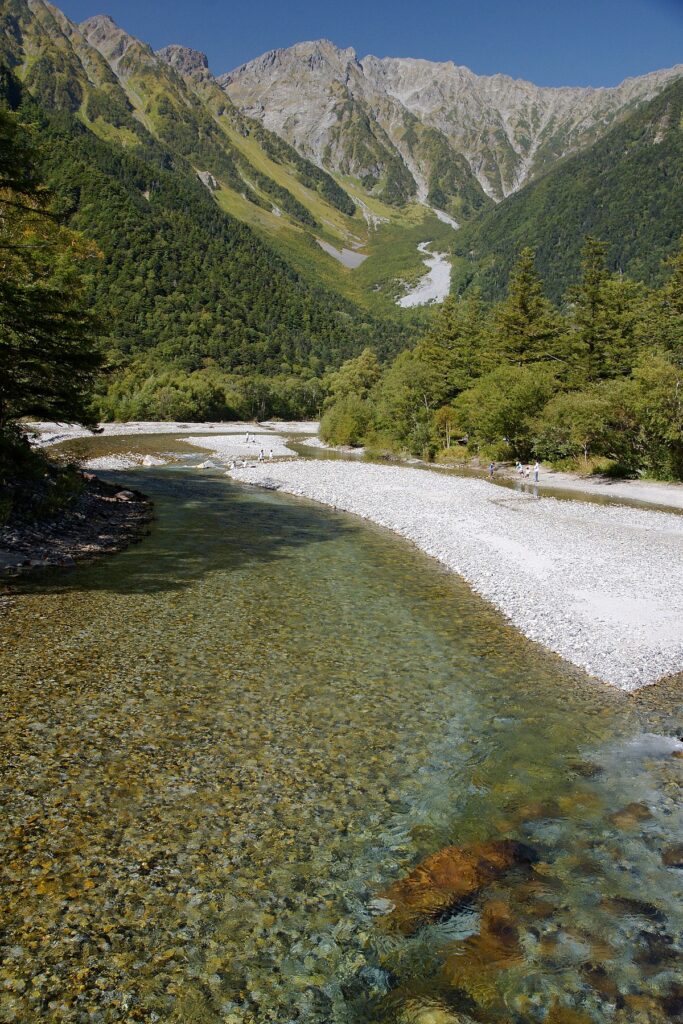
Kamikochi (Azumi, Matsumoto City, Nagano Prefecture)
Kamikochi (Azumi, Matsumoto City, Nagano Prefecture) Overview (History, Features, Attractions) Kamikochi is a highland resort located at an altitude of approximately 1,500m in Azumi, Matsumoto City, Nagano Prefecture. It is a scenic spot at the foot of the Northern Alps (Hotaka Mountain Range, Yakedake, etc.). It became known as a mountain climbing and tourist destination after the Meiji period, and in 1915... -
Mount Myogi (Tomioka City, Gunma Prefecture)
Overview (History, Features, and Attractions) Mount Myogi is a famous mountain that straddles the cities of Tomioka and Annaka in Gunma Prefecture. Its distinctive feature is its landscape of steep, strangely shaped rocks and rocky ridges. Formed by volcanic activity and erosion millions of years ago, the hard rock masses are exposed, creating strangely shaped rocks and mysterious formations. -
Inubosaki Lighthouse (Choshi City, Chiba Prefecture)
Inubosaki Lighthouse (Choshi City, Chiba Prefecture) Overview (History, Features, and Attractions) Inubosaki Lighthouse is a historic lighthouse located on Inubosaki in Choshi City, Chiba Prefecture. It is one of the lighthouses constructed under the guidance of foreign engineers during the Meiji period, and has long supported the safety of marine navigation as a landmark on the cape overlooking the Pacific Ocean. -
Lake Chuzenji (Nikko City, Tochigi Prefecture)
Overview (History, Features, and Attractions) Lake Chuzenji is a highland lake in Nikko City, Tochigi Prefecture, located at an altitude of approximately 1,269 meters. It is a caldera lake that was formed approximately 20,000 years ago when volcanic activity from Mount Nantai dammed up a valley. Its surface area is approximately 11.6 km², and its maximum... -
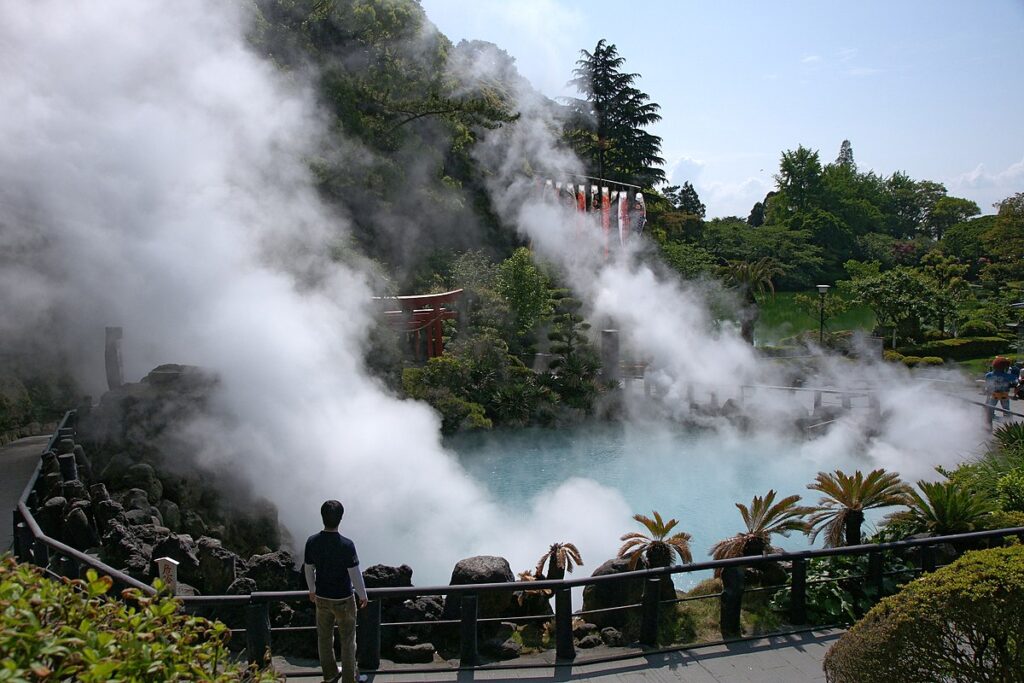
Beppu Hot Springs (Beppu City, Oita Prefecture)
Overview (History, Features, and Attractions) Beppu Onsen (Beppu City, Oita Prefecture) is one of Japan's leading hot spring areas, boasting the highest volume of hot spring water and the largest number of springs in the country. It has long been a popular hot spring resort, and its foundation as a tourist destination was established from the Edo period through the Meiji and Taisho periods. The "Eight Hot Springs of Beppu" (Beppu... -
Sannai-Maruyama Ruins (Aomori City, Aomori Prefecture)
Overview (History, Features, and Attractions) The Sannai-Maruyama Site is the remains of a large Jomon period settlement in Aomori City. The site is a dwelling site that existed from the middle to late Jomon period, and includes a wide range of remains, including pit dwellings, mounded earth, large post-hole buildings, and grave pits. A rich variety of pottery, stone tools, bone and horn implements, and ornaments have been excavated...
| Discover Japan - Japan Regional Guide & Travel Information